

Fast Efficient Proven
Power demand can’t wait. Think fiber reinforced concrete.
Talk to an Engineer$41.1B
US private data center construction spend in 2025, up from $31.1B in 2024
The Conference Board~86 GW
Record new utility-scale generating capacity planned for 2026
EIA50–60%
The share of announced data center capacity actually expected online on schedule
Goldman SachsAccelerate concrete placement and construction schedules.
Reduce rebar-related labor, logistics and jobsite complexity.
Bring substations, utility projects, and critical energy infrastructure online faster.
Reduce rebar handling and tying. Streamline concrete placements.

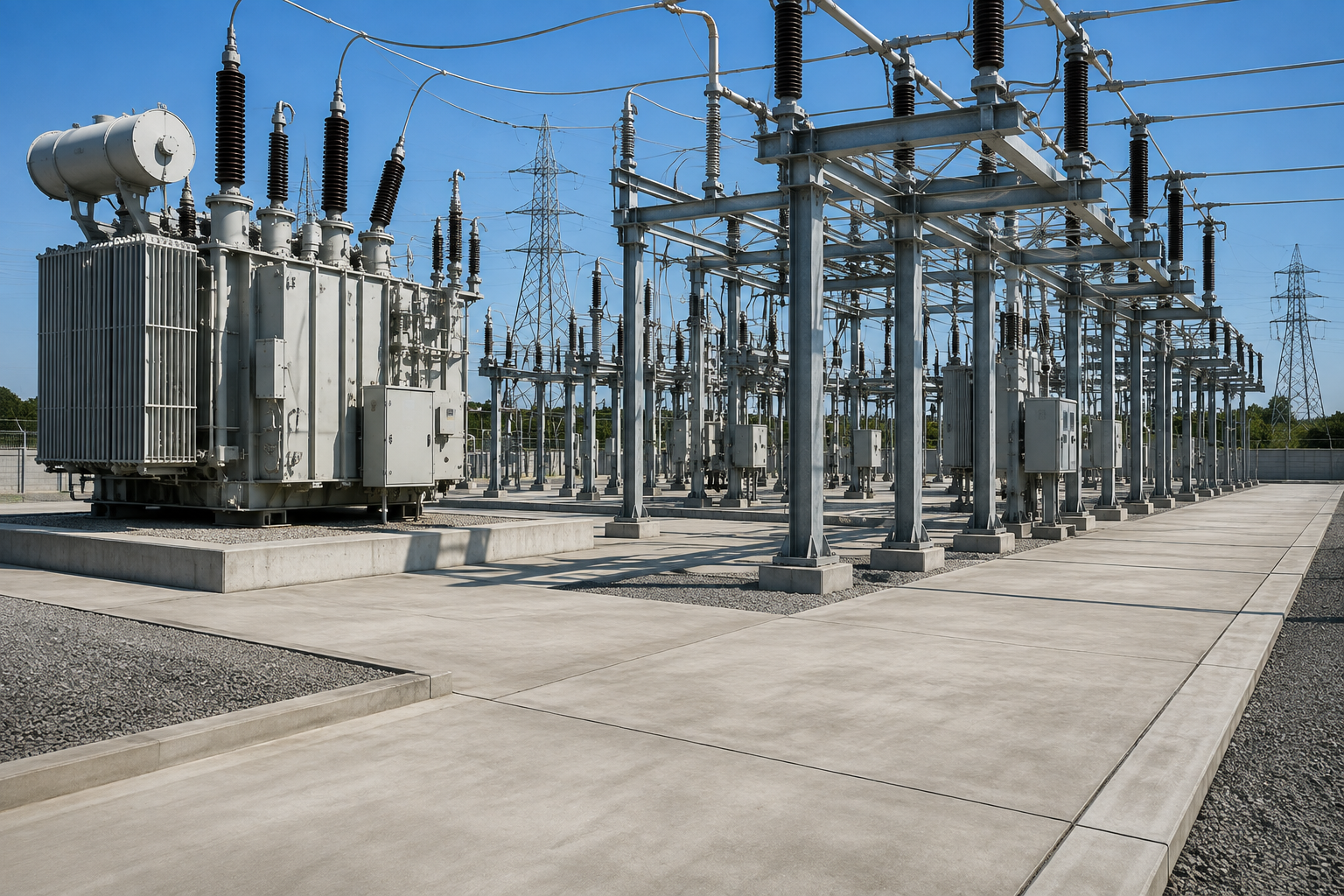
equipment pads, control house slabs, containment
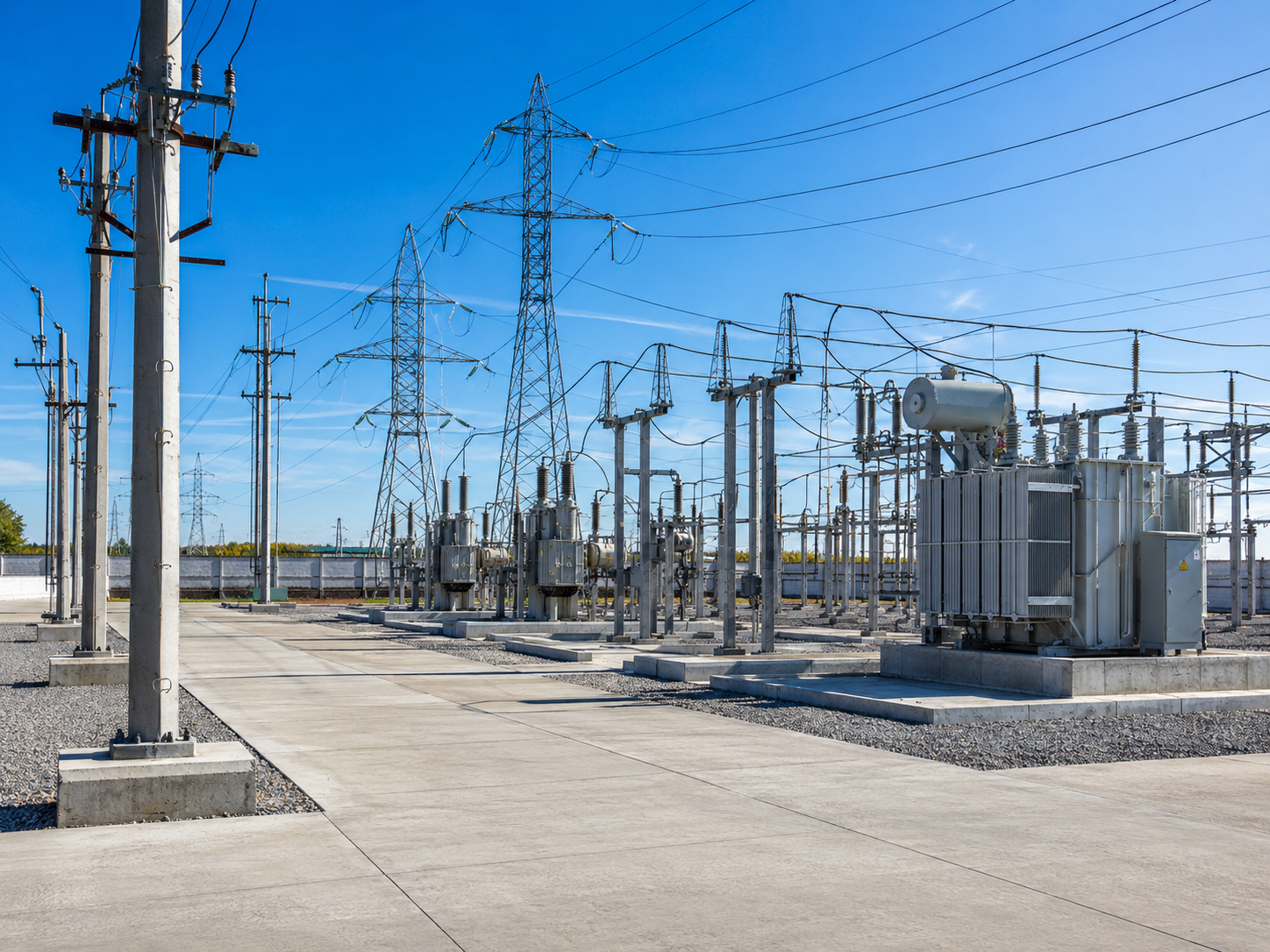
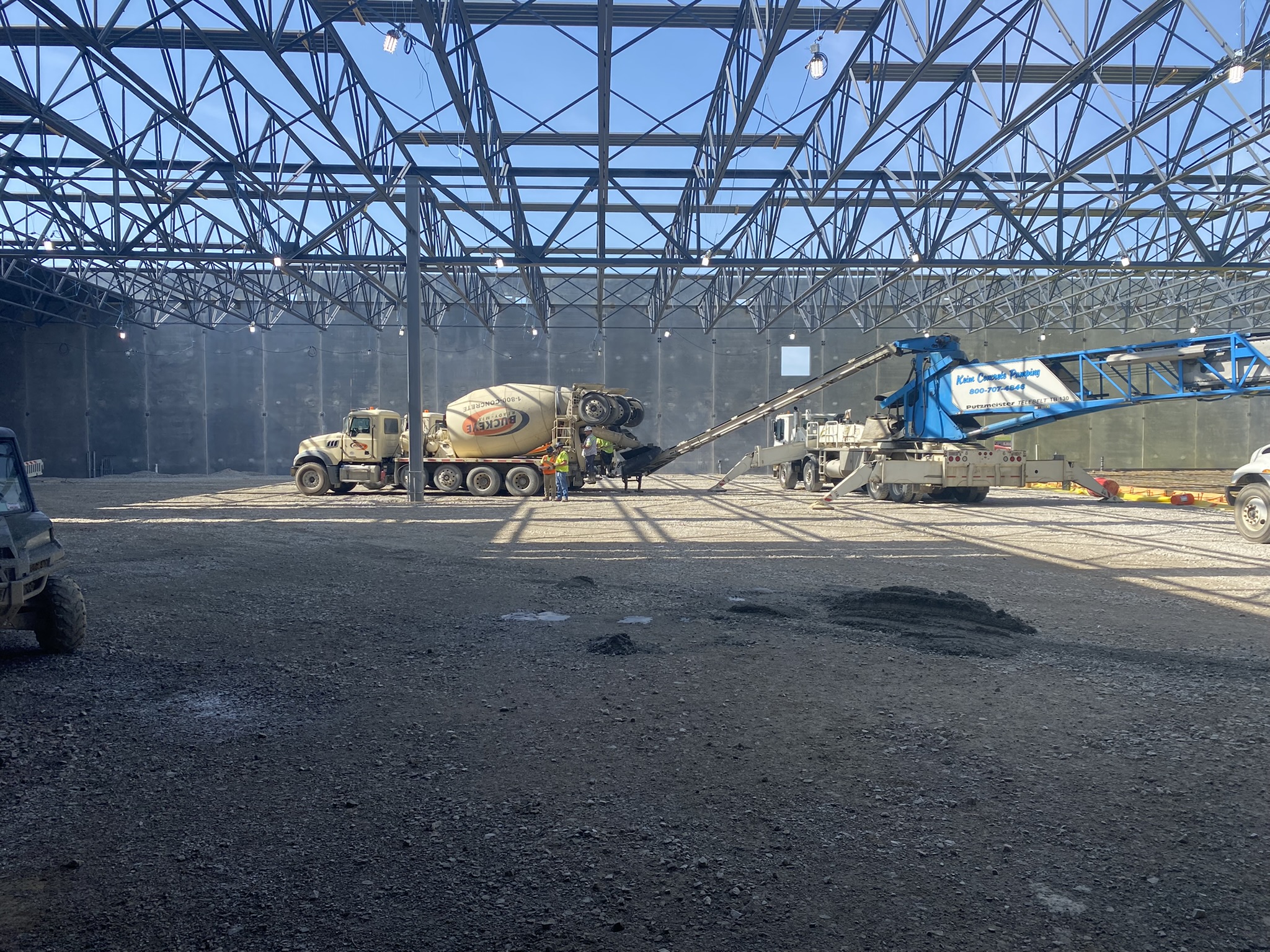
slab-on-grade, generator and chiller pads, yard paving
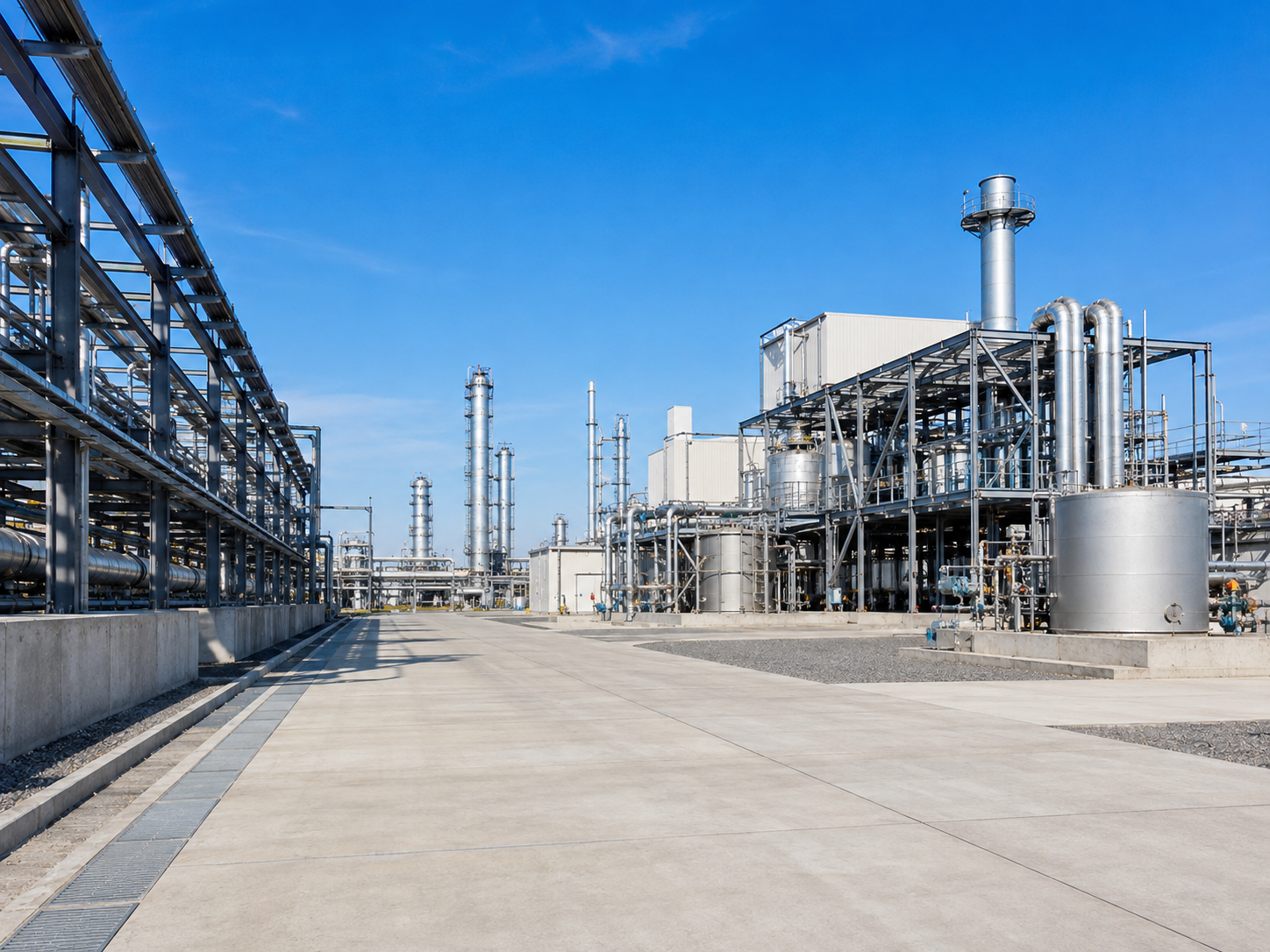
heavy-load floors, process areas
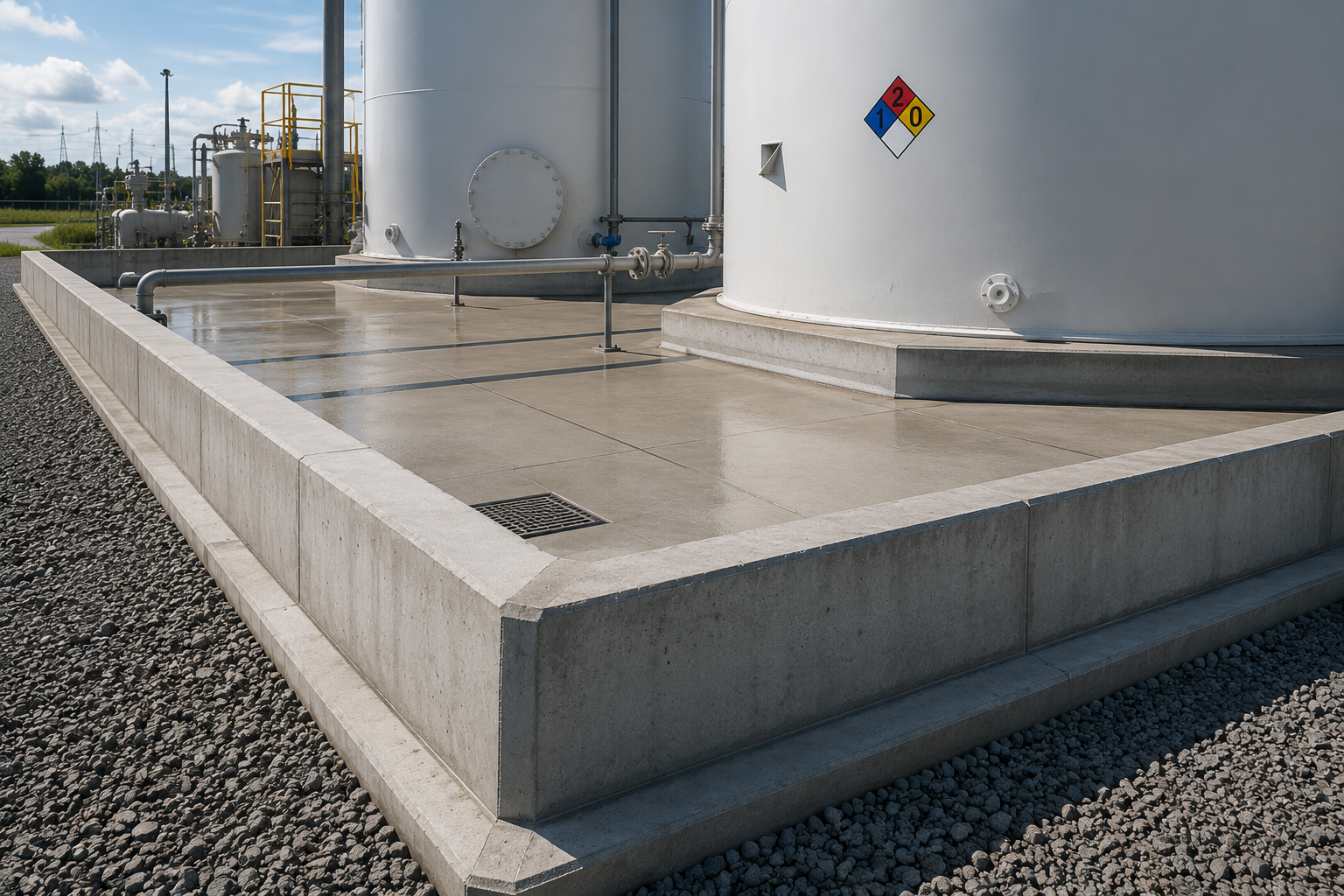
crack control where tightness matters

laydown yards, hardstand, heavy haul routes
Free engineering review from the team that’s been designing synthetic fiber reinforcement since 1978.
Choose the path that matches where your project is today.
Free service. No obligation.

In some cases, yes. Fiber excels at crack control and distributed reinforcement; structural rebar is still required in some cases. The right answer is per-element, which is what our design review determines.
Different jobs. Fiber is three-dimensional and non-corroding; rebar carries primary tensile load in specific locations. For slabs, pads and paving, engineered fiber frequently replaces steel entirely.
Faster placement, fewer trades staged before a pour, less rebar handling and tying, no corrosion, reduced embodied carbon.
Performance depends on fiber type and dosage; specs are available.
Standard practices apply and FORTA is happy to offer field support.
Engineered reinforcement solutions trusted to support power, utility, industrial and data center infrastructure — helping project teams accelerate schedules and reduce cost, labor and embodied carbon.


