

Although this obituary is a few years late, it would be remiss to not address how much rebar will be missed by many in the construction industry.
Unfortunately, rebar doesn’t have many friends, apart from those who manufacture it. Rebar is costly, expends construction schedules, is unable to stop cracks from forming, takes up valuable space on construction sites, easily rusts and is the primary reason why concrete infrastructure requires replacement.
With the 2003 birth of Helix® Micro Rebar™, the one-inch (25-mm) concrete reinforcement made of twisted steel, rebar now joins asbestos, lead-based paint and chromated copper arsenate (CCA) as materials that are frowned upon.
Although its lifespan dates back to the 15th century, the birth of rebar as a reinforcement in concrete happened in the 19th century, followed by standard rebar specs for construction being issued in the early 20th century.
Code regulations were not standardized in America until the middle of the century, which spurred decades of improvements. In the 1980s, stainless steel rebar was first used in a bridge and epoxy-coated rebar was developed to increase corrosion resistance.
Unfortunately, it wasn’t all happy times for rebar. The 1989 collapse of the Cypress Street Viaduct in Oakland was a stark reminder of rebar’s weakness when exposed to significant tension.
Many turbulent stages followed these years, with engineers attempting to hide rebar’s shortcomings with cathodic protection and bonding agents. Unfortunately, leading building industry professionals knew that rebar’s time as a standard material for use in many concrete applications was at an end.
The final metaphorical nail in the coffin for rebar’s reign as a superior reinforcement came in 2003 with the invention of Helix® Micro Rebar™.
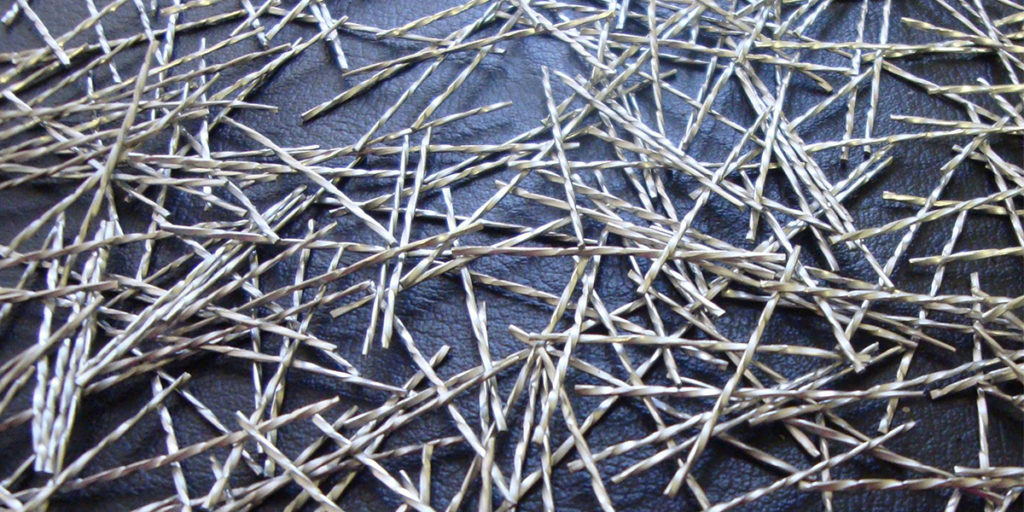
It’s smaller, leaner and works smarter than rebar ever could. Helix® Micro Rebar™’s twisted design bonds with concrete to create a strong and durable material, proactively keeping concrete together like a screw in wood. Concrete can now last longer than ever before, and at lower doses than fibers and significantly less weight in steel than rebar.
Born under an ISO 9001:2015 certified quality management system and code-approved for most common concrete applications, Helix® Micro Rebar™ has already helped the construction industry save countless hours of labor and sums of money. Helix Steel has ICC-ES and IAPMO-ES reports that provide approvals under the IBC/IRC and over 100 other codes worldwide.
What can the world expect with this micro concrete reinforcement?
Yes, rebar is currently still best used to reinforce some concrete applications, such as complex engineering feats and tall buildings, but there has never been a better time to do your research and explore how your project can benefit from the best rebar replacement: Helix® Micro Rebar™.
There’s no better place to start than with Helix Steel. Please contact Helix Steel’s engineers to learn more or submit your project specs to receive a no-obligation quote.

